

Senate Queries Safe Schools Project Funding
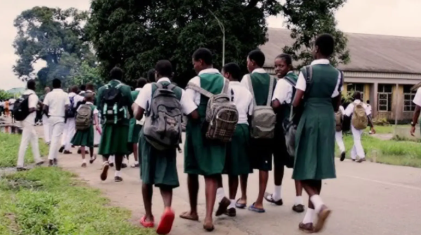
The 2014 Chibok schoolgirls abduction in Borno State triggered the launch of the Safe Schools Project and the Safe Schools Fund, aimed at safeguarding Nigerian students from terrorist attacks and school abductions. Over $30 million was initially raised from the Federal Government and international donors to implement these programs.
However, a recent resurgence in abductions has prompted questions about the effectiveness of the project and the management of its funds.
In response, the Senate established an Ad Hoc Committee led by Senator Orji Kalu (Abia North) to scrutinize how the funds were utilized. The inquiry focuses on allocations to security agencies such as the Nigeria Police Force, NSCDC, and Defence Headquarters, among others.
Hajia Halima Iliya, National Coordinator of Financing Safe Schools in Nigeria, was asked to explain the spending of N6.225 billion allocated to the Nigeria Police from the N15 billion disbursed in 2023. The Senate demanded a full reconciliation of financial records, including contractor details, all expenditures, and CBN Trust Fund documentation.
Sources and Allocation of Funds
The Safe Schools Fund has received contributions from various entities, including:
Federal Government – $10 million (≈ N1.5bn)
Nigerian Business Leaders – $10 million (≈ N2bn)
African Development Bank (ADB) – $1 million (≈ N200m)
German Government – €2 million (≈ N1bn)
Norwegian Government – $4 million (managed by UNICEF)
UN Multi-Donor Trust Fund – via UNICEF, UNDP, UNOPS
USAID & Qatar Foundation – $4 million combined
The 2023 allocations from the Federal Government were:
Nigeria Police Force – N6.225bn
NSCDC – N3.362bn
Defence Headquarters – N2.250bn
Federal Ministry of Education – N519m
DSS – amount not publicly stated
Rising Concerns Over Consultancy Spending
During the committee session, Senator Oluranti Idiat questioned why a large portion of funds had gone to consultancy and operational expenses. Hajia Iliya clarified that the figures cited were from 2014, not the 2023 funding cycle, emphasizing that the 2023 allocation prioritized core Safe Schools initiatives.
Calls for Policy Reform and Accountability
Senator Musa Maidoki stressed that Safe Schools funds should be community-based and linked to performance, while Senator Kenneth Eze expressed concern about misappropriation and lack of clarity in financial reporting.
Public Anticipation
Nigerians, education stakeholders, and parents are eagerly waiting for the Senate Committee’s findings. Transparency and accountability are critical as the safety of students and school personnel remains a top national priority.
Share this article to raise awareness about Safe Schools funding transparency.
Subscribe to our blog for updates on education safety and policy reforms in Nigeria.